

Department of English
Year Of Establishment : 1945
It is one of the oldest departments in the Arts Faculty of the college .It was headed by eminent personalities like Prof. Vinda Karandikar , the great Gyanpeeth Awardee Marathi poet and Prof. Y.D. Bhave,the Deputy Registrar ,University of Mumbai .It runs the UG ( B.A.) as well as the PG (M.A.) programme. The department has a tradition of high success rate (average 85 % in the university examinations) and has maintained equally high rate of progression to either higher studies or employment (especially as teachers , lawyers, journalists )
Its main objectives of the department have been :
- To produce good English teachers and journalists to meet the requirements of this region by exploiting the language component of the academic programmes.
- To help the students become good and cultured citizens by exploiting the literature component of the syllabi.
- To bring in all-round personality development of students by involving them in various co- and extracurricular activities.
- To develop creative and critical faculties and research culture among advanced learners.
| Sr.No. | Name | Quantity |
|---|---|---|
| 1 | Language Laboratory | 1 |
| 2 | LCD TV | 1 |
| 3 | Internet Connection | 1 |
Teaching
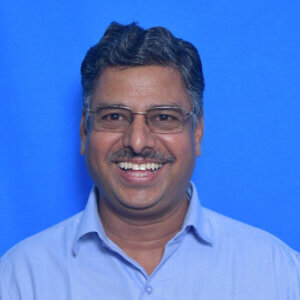
Mr. Athalye Vasudev Manohar
Assistant Professor & Head
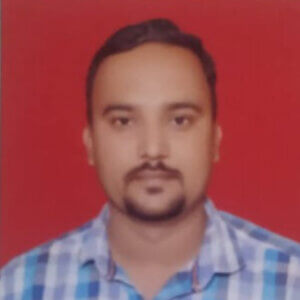
Mr. Kamble Dattatraya Shavarappa
Assistant Professor
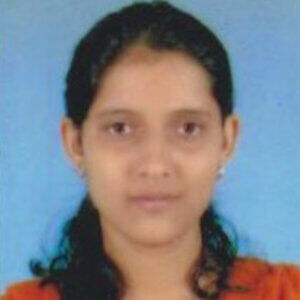
Mrs. Date Madhura Govind
Assistant Professor
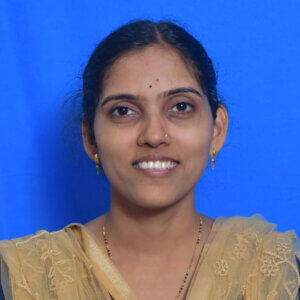
Ms. Manjarekar Pranali Chandrakant
Assistant Professor
o.
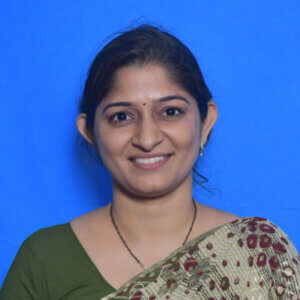
Ms. Sawant Bhagyashree Ulhas
Assistant Professor
Ms. Karambelkar Tejaswinee Pradeep
Assistant Professor
Ex HoDs
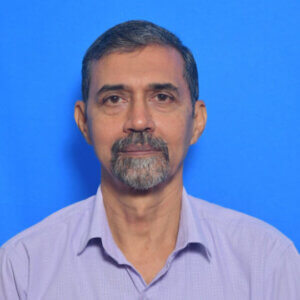
Dr. Pitre Atul Yashavant
Associate Professor
Visiting Faculty
Other Courses Conducted by the Department
| Bridge Course |
| Remedial Course |
| Developmnet Courses ( Journalistic skills, Soft skills, etc.) |
| Shakespeare Through Films 2013-14 |
| Value Added Course In Media Skills – Regular |
| Multilateral Skills Development 2015-16 |
| A Course In English For Special Purpose 2016-17 |
| Workshop For Interviews/ Audition on All India Radio 2017-18 |
| Introduction to German 2024-25 (Course Conducted under the PMUSHA scheme) |
Upcoming : Course in Media Content Creation
Programme Specific Outcomes
Programme Specific Outcomes
Literature courses in the Department of English (UG and PG) offer students the opportunity to study influential writings from the British, American, and global Anglophone traditions. Courses may focus on historical periods, literary genres or critical approaches . Studying these courses will be an essential and rewarding part of a life-long commitment to learning and growth.
UG level PSOs (TYBA- English Literature):
- Theme-based Reading: The programme provides imaginative and critical insights into all areas of human experience such as war and peace, nature and culture, love and sexuality, selfhood and social identity, justice and atrocity, the sacred and the profane, the burdens of history and the dreams of the future. Learning to attend to the complexities of literary texts students will become accomplished, active and critical readers who appreciate ambiguity and complexity .
- Sense of Genre: Students will develop an appreciation of how the formal elements of language and genre shape meaning.
- Sense of Culture and History: Students will gain a knowledge of the major traditions of literatures written in English, and an appreciation for the diversity of literary and social voices within those traditions. They will develop an ability to read texts in relation to their historical and cultural contexts, in order to gain a richer understanding of both text and context. This will help them become more aware of themselves as situated historically and culturally.
PG level PSOs (MA- English Literature)
In addition to the POs at the UG level , the students will learn the following ones:
- Sense of Genre: Students will develop an appreciation of how the formal elements of language and genre shape meaning. They will recognize how writers fulfil generic expectations, as well transgress or subvert them..
- Critical Approaches: Students will develop the ability to apply various critical approches to literary works and deploy ideas from these texts in their own reading and writing.
- Analytical and Writing skills: Students will be able to analyse and write effectively for academic and business domain. They will demonstrate an ability to revise for content and edit for grammatical and stylistic clarity.
- Research Skills: Students will be able to identify topics and formulate questions for productive inquiry; they will identify appropriate methods and sources for research and evaluate critically the sources they find; and they will use their chosen sources effectively in their own writing, citing all sources appropriately.
- Presentation skills: Students will demonstrate the skills needed to prepare, organize and deliver an effective oral presentation.
- Valuing literature, language, and imagination: Students will develop a passion for literature and language. They will appreciate literature’s ability to elicit feeling and cultivate the imagination.. They will appreciate the expressive use of language preparing for a life of learning as readers and writers.
Syllabus for Department of English 2026-27

Publication of Workbook for FYBA Semester I and II (Every year)
Publication of The GJCians (Every year)
Career Guidance in Mass communication (Every year)
Workshop on Short Film Making 2013
NET-SET Exam Guidance 2016
Mutual Melody : Audio –visual Dramatic Presentation of Selected Poems from Syllabus
MoU activity with Walchand College of Arts and Science, Solapur- 2017
A Capacity Building Workshop for Secondary School English Teachers in Ratnagiri (2018)
Extention Activity in Pawas High School- 2018
| Sr | Name | Detail |
|---|---|---|
| 1 | Adv. P.L. Mahajani | Advocate , Mumbai High Court |
| 2 | Dr.Shilpa Sapre-Bharmal | Ex-Chairperson, Board of Studies in English, MU |
| 3 | Mr.Jaygopal Menon: | State Administrative Services |
| 4 | Adv.Vinay Paranjape | Poet, Activist, Columnist |
| 5 | Ms.Gloria Kondvilkar | Freelance Journalist, US |
| 6 | Neeta Shrikhande- Kulkarni | Editor, Publishing House |
| 7 | Kanchan Gogate | Journalist, Times of India, Freelance writer |
| 8 | Ulhas Sapre | Principal, CBSE School |
| 9 | Darshana Bhave-Bapat | Assistant Professor |
| 10 | Mohan Bapat | Teacher, Member, Maharashtra State Bureau of Textbook Production and Curriculum Research |


 Visitors Online : 2